


Welcome to Kimberly’s Educational Resources!
Where science meets education and transforms what’s possible.
Navigating The Website
This website presents Neurodivergent Biochemistry and Kitzerow’s Autism and the Comorbidities Theory
This work brings together education, neuroscience, and biochemistry to explain how neurodivergence and its comorbidities emerge and how learning can be supported more effectively. This page gives a concise overview of the main pillars of that work and directs you to the primary pages, papers, and resources where you can explore each area in depth.
Click here to view the integrity policy.
-
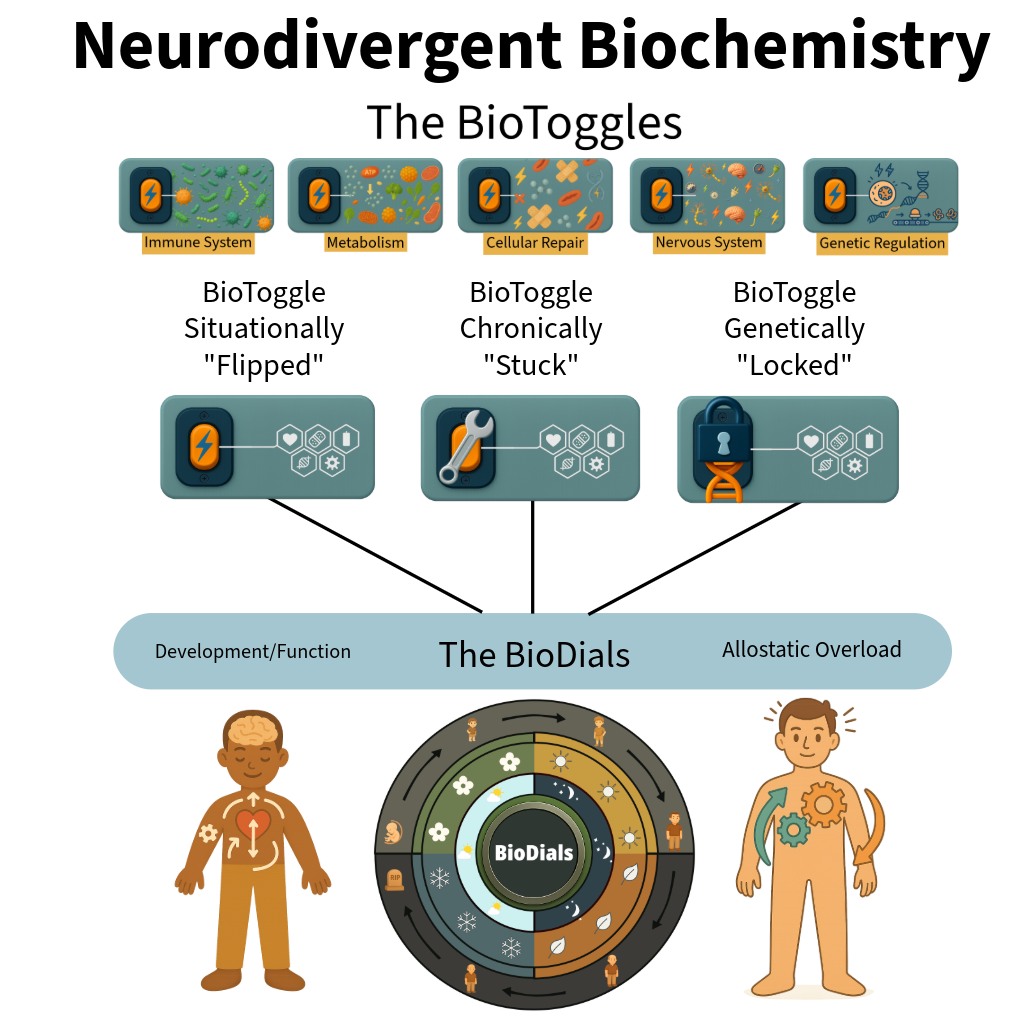
Neurodivergent Biochemistry
What it is:
A systems level biochemical framework that explains how genetic factors, epigenetic regulation, and situational, chronic, and genetic activation of the body’s regulatory systems shape development and physiological function. It describes how shifts in redox balance, protein expression, and biochemical resource allocation influence system behavior over time.What it provides:
A scientific structure for understanding how different forms of neurodivergence emerge from changes in internal regulation. It clarifies how regulatory system load affects growth, metabolism, motor development, learning, and overall physiological function across the lifespan. -
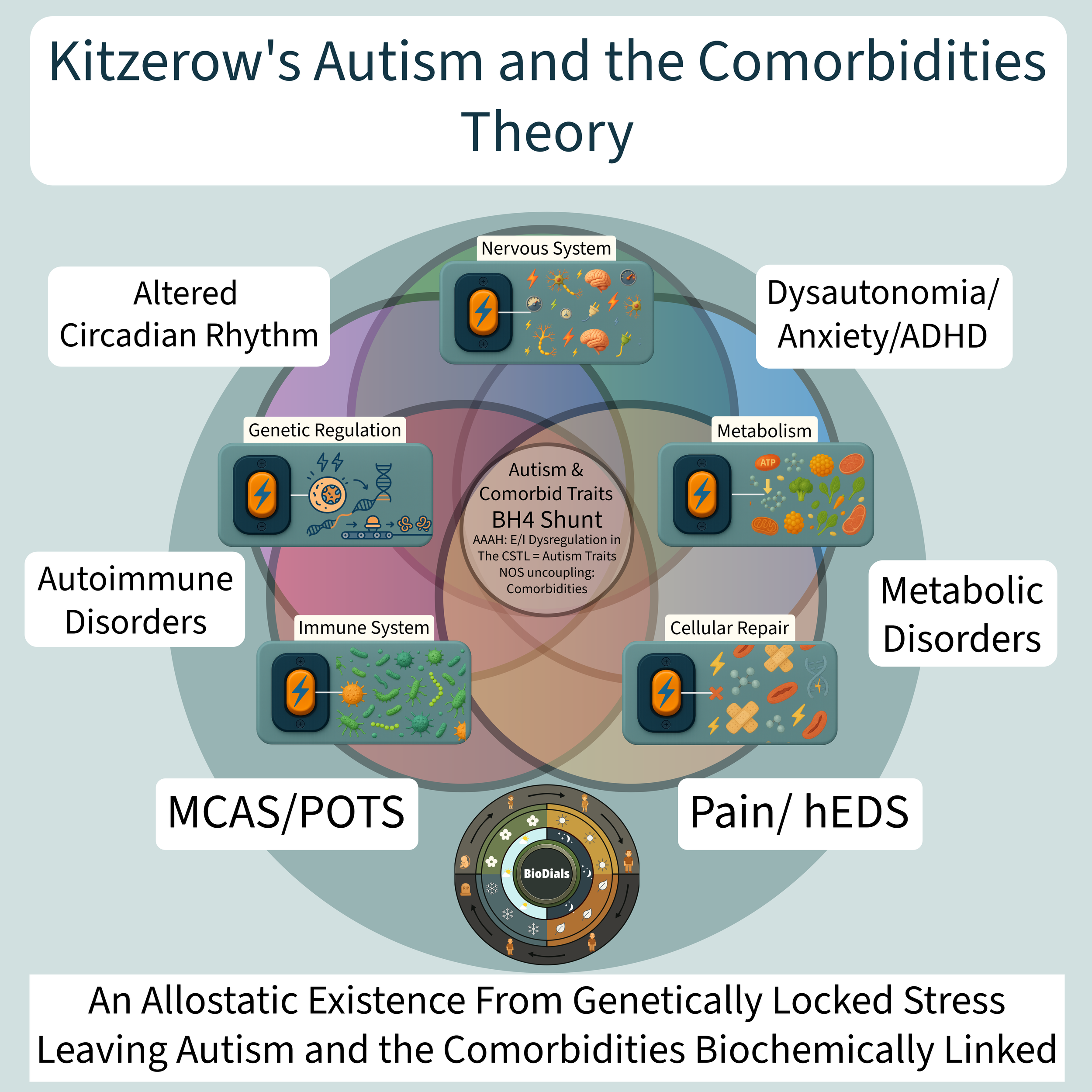
The Autism and the Comorbidities Theory
What it is:
A theory that explains why autistic traits and co-occurring conditions consistently cluster in each phenotype, with individual variation within. Autism can be understood through how the body reallocates proteins under stress, and prioritizes the stress response over typical neural development and physiological function. It connects the biochemical and regulatory mechanisms identified in Neurodivergent Biochemistry.What it provides:
tt clarifies why autistics share similar combinations of immune, cellular repair, nervous system, metabolic, and genetic regulation or circadian rhythm differences and provides a coherent structure for interpreting these patterns. -
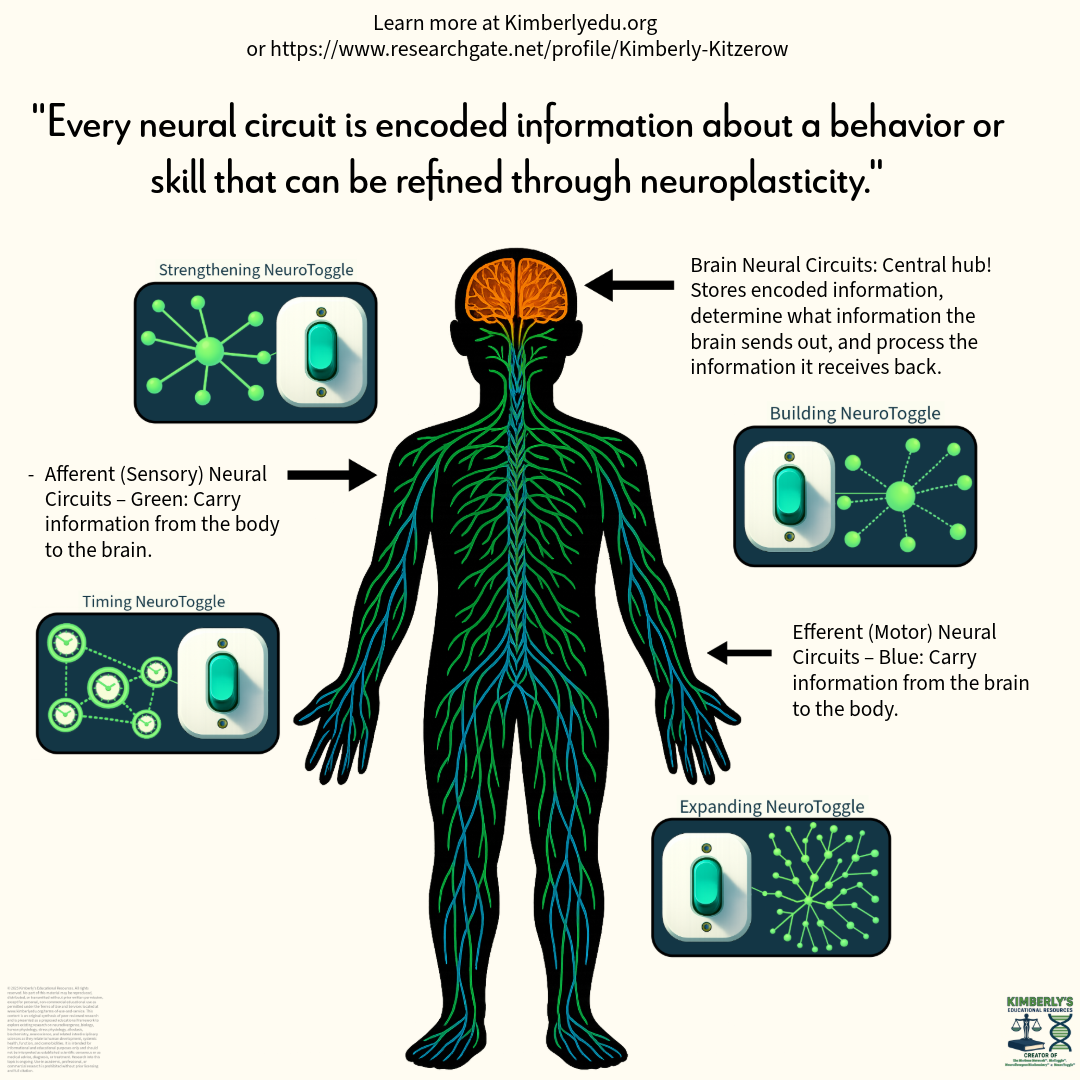
NeuroToggle®
What it is:
An educational framework that applies science to learning. Every neural circuit is a behavior or skill that is formed via experiences. NeuroToggle focuses on optimizing the conditions that need to be met for the building, expanding, strengthening, and timing neural connections through intentional neuroplasticity based instructional strategies rather than relying on behavior based models.What it provides:
A practical method for supporting the development of skills and behaviors using established teaching pedagogy viewed through a neurobiological and neuroplasticity lens. It gives educators and families tools for how to create instructional environments that support the neurobiology of learning.
Why This Matters
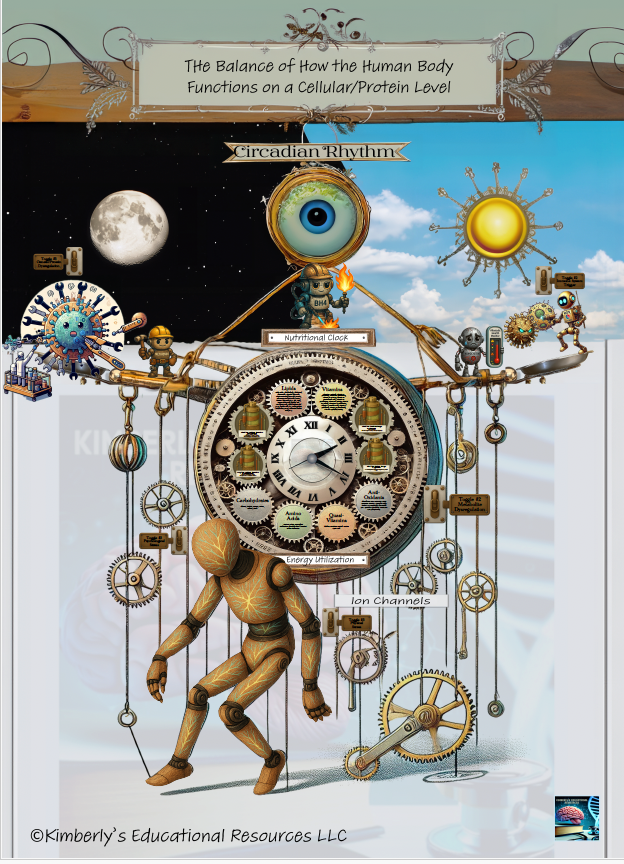
The nervous system helps the body maintain balance by moving between two main states that turn different systems on and off. In each state, different genes are turned on or off, determining which functions are active at that time. These shifts between states are called toggling, and the regulatory system domains that manage these shifts are called BioToggles.
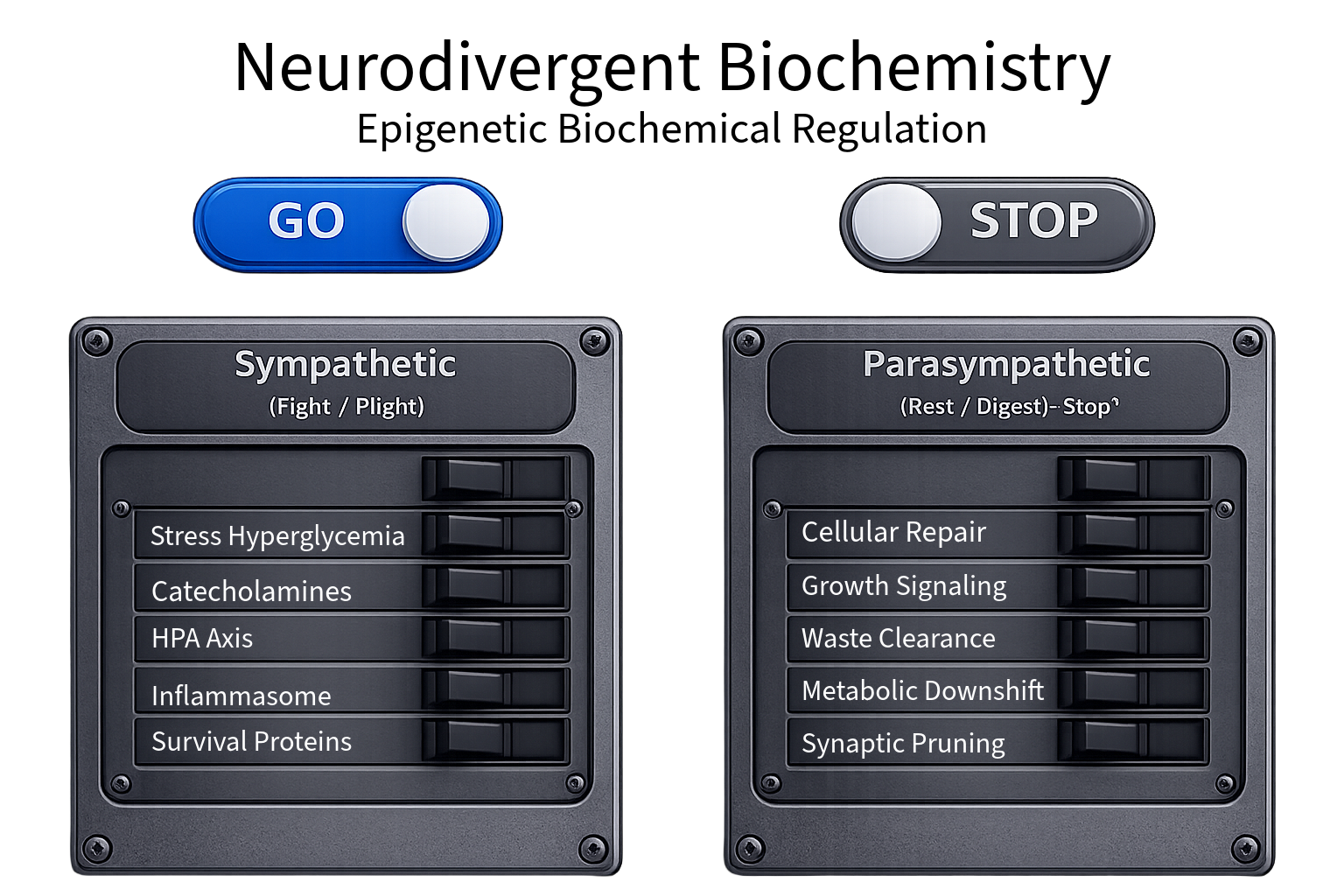
Sympathetic (Fight / Flight) – “Go”
Heightened alertness or hypervigilance
Racing thoughts or mental overdrive
Hyperfocus or difficulty disengaging
Irritability, anxiety, or emotional intensity
Difficulty sleeping or shutting down
Parasympathetic (Rest / Digest) – “Stop”
Low energy or heavy, slowed body feeling
Brain fog or reduced cognitive clarity
Flat or blunted motivation
Increased need for rest or withdrawal
Lower capacity to initiate or sustain action
Neurodivergent individuals are more likely to get stuck in “go” or “stop.” The active state determines which “jobs” are turned on or off inside the body, while the length of time spent in that state determines the long-term impact. The development of the nervous system is deprioritized in these states, and Kitzerow developed NeuroToggle to help reprioritize these pathways during critical stages of development.
Why This Matters
Neurodivergent Biochemistry raises key questions:
Which mode am I in?
What is the duration, and during which developmental stage does it occur?
How is that state changing which functions in the body are on or off?
What happens when those systems are worn down over time?
Understanding these patterns helps explain how prolonged regulatory imbalance shapes health, function, and development, and why neurodivergent individuals often experience clusters of comorbid conditions rather than isolated traits.
Targeting Skills/Behaviors: NeuroToggle
Application of Kitzerow’s Framework
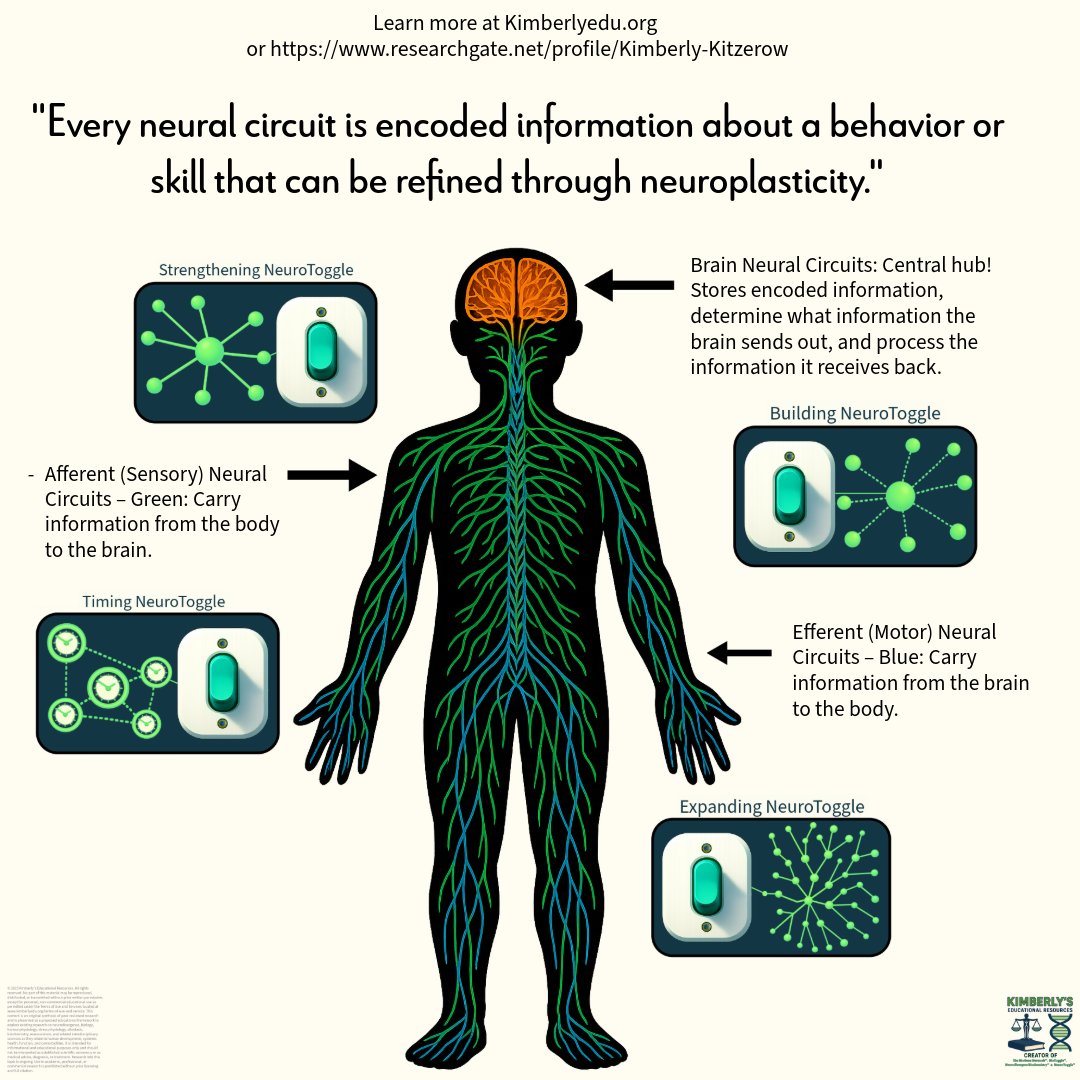
Each behavior and skill is encoded within a neural circuit. While gene activity governs neural circuit formation in utero, postnatal circuit formation is primarily experience-driven. For this reason, educators influence behaviors and skills through instruction rather than biological intervention.
Kitzerow’s degrees in education and special education led her to create NeuroToggle to support autism-related skills and behaviors. NeuroToggle is a neuroplasticity-based instructional framework that intentionally targets the formation of the neural circuits that encode each skill and behavior by building, expanding, strengthening, and timing those circuits through experience.
Targeting Comorbidities: BioToggle Regulation
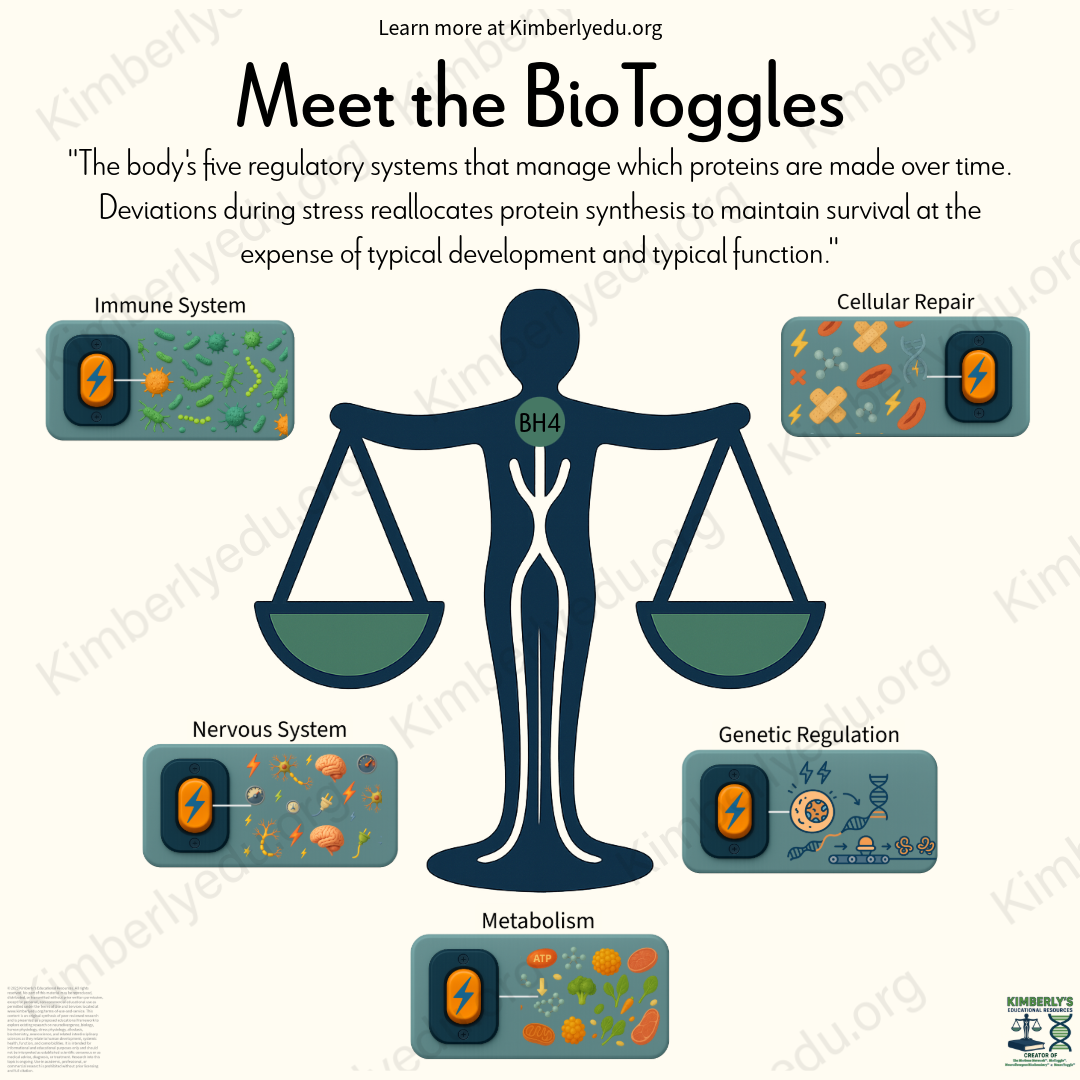
Under this framework, when addressing comorbid traits associated with autism, the focus shifts toward BioToggle regulation. BioToggles are an educational framework provided to explain how regulatory system domains alter biochemical pathway activity in response to physiological stress, with the goal of resolution. When these systems become chronically activated due to wear and tear, or remain persistently engaged because genetic mutations prevent proper resolution or shift set points, comorbid traits can emerge through sustained biochemical disruption and allostatic overload.
BioToggle regulation falls within the domain of medical care and represents a potential future avenue for support, not a service provided here. Medical advice, diagnosis, or treatment are not offered. The role of this work is to identify what may be occurring at the regulatory systems level and to provide information that can support future research and inform licensed medical professionals as this framework continues to develop.
Methods
Click here to learn more about Kitzerow’s use of the scientific method, and the uncited replications of my work.
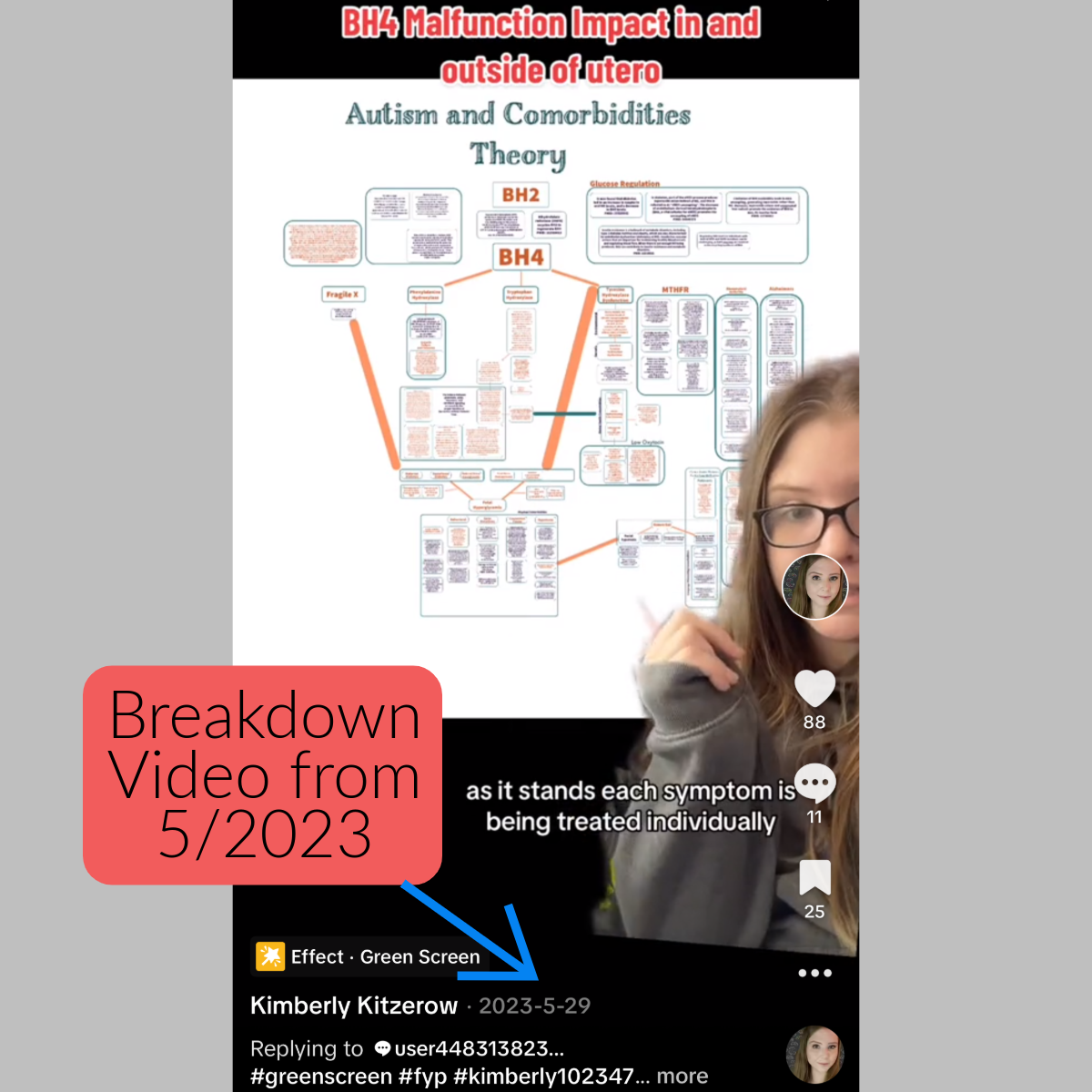
My Living Documentary
Explore the interactive timeline that documents the creation of Kitzerow’s frameworks,, with each milestone linked to original videos and public posts. This living documentary was designed for transparency, allowing the everyone to follow how each discovery evolved in real time.

Take Action Now
There are three simple ways to support
Sign the petitions here to increase awareness and encourage institutional review.
Send an email to any educator, researcher, clinician, legislator, or organization you want to inform.
Share this information on social media so more people learn about these frameworks.
Contact us with comments to post on our website!

Resources
Books
Discover Kitzerow’s published works, written to educate, inspire, and transform how we understand learning and development.
ResearchGate Papers
Access Kitzerow’s open-access research on Neurodivergent Biochemistry, BioToggles, BioDials, and related systems models.
Etsy Store
Here you can find links to images, infographics, and posters related to this work.
Folinic Acid Concerns
A scientific overview of how megadoses of folinic acid can overload cell turnover and how the study was terminated and put on a full clinical hold by the FDA, yet was still published.
Understanding Nonverbality Through Speech-Motor Pathways
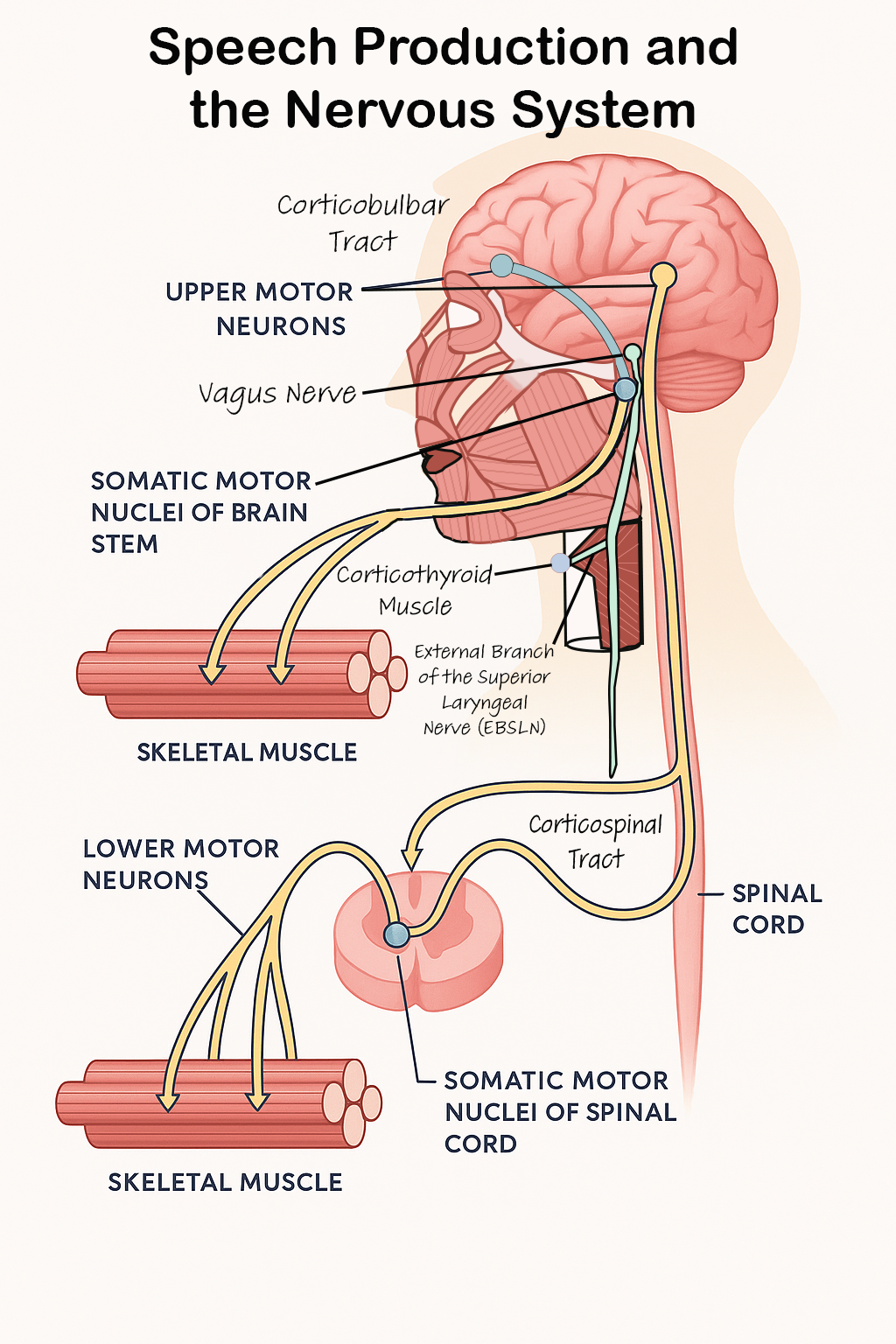
Apraxia is not an illusive or abstract concept; there are specific mechanisms that connect the brain to the physical production of speech, running from the corticobulbar tract to the motor nerves responsible for shaping sound into words. When these pathways function differently, nonverbality appears in one of three forms: Complete Lack of Ability when the speech-motor system is underdeveloped or damaged; Intermittent Ability when speech is available only during regulated internal states; and Situational Ability when speech is present in safe, low-demand environments but shuts down under social or sensory stress.
Resources for Parents of Nonverbal Kids
Nonverbality is an autism comorbidity. This is the comorbidity that Kitzerow’s daughter had that sent her looking for the link between autism and the comorbidities, which sparked the creation of all of this!
From Silence to Speech
Learn how I helped my nonverbal autistic daughter develop speech by identifying the physiological mechanisms behind communication and building structured neuroplasticity-based strategies.
Letters to State and Federal Representatives
Read my communications with policymakers addressing the need for reform in autism research, education, and diagnostic criteria, along with specific legislative recommendations.
Common Questions
Has This Been Independently Validated? Was It Done Ethically?
Documentation of Kitzerow’s publication timeline, the development of her original frameworks, and the subsequent uncited use of her work in academic literature.
What Is Your Integrity Policy?
You can learn about our integrity policy here, explaining the scientific development of Kitzerow’s Autism and the Comorbidities Theory and how it achieved educational validation through independent replication, convergence, and external utilization. The policy defines ethical research standards, authorship integrity, and protections against plagiarism and misrepresentation.
How Can I Contact Kimberly Kitzerow?
To contact Kimberly Kitzerow, founder of Kimberly’s Educational Resources and creator of Neurodivergent Biochemistry and NeuroToggle®, use this contact page. Submit questions about the frameworks, request clarification, explore collaboration, or connect around education, neurodiversity, and advocacy. This form supports professional, educational, and public interest inquiries. Kimberly Kitzerow is active on social media and responds to many comments when able, but does not check direct messages.
Where Can I Learn More About Kimberly Kitzerow
Learn more about Kimberly Kitzerow, founder of Kimberly’s Educational Resources and creator of Neurodivergent Biochemistry, NeuroToggle®, and Kitzerow’s Autism and the Comorbidities Theory, by clicking this link to explore her background, frameworks, and work in neurodivergence and education.